Message Installation and Concrete Structures: Melbourne Fencing Techniques
A fence can look basic till you're standing in the wet and the wind, holding a string line, wondering why one panel is already leaning. In Melbourne, that "why" usually boils down to the very same handful of details: just how the posts were set, what the concrete in fact did (and really did not) do, and whether the base was made for the soil and the loads your fence sees day to day.
I've mounted plenty of fencings throughout Melbourne where the hardwood messages, concrete bases, and also the bordering yard beds were all well-intentioned, however the setup still fell short early. Not dramatically. Just sufficient to get frustrating: an entrance that captures, rails that do not quite align, or a fencing that gradually bows after a hefty rainfall. The good news is you can stay clear of the majority of that with functional, repeatable approaches for post setup and concrete foundations.
This is a nuts-and-bolts overview composed from the viewpoint of obtaining the line straight, the messages secure, and the job constructed to endure Melbourne's mix of tornados, moist dirt, and changing ground.
Start with the website fact, not the fencing plan
Before any type of concrete touches a hole, I treat the website like it's mosting likely to resist. Melbourne yards often rest over dirts that hold wetness, and also within the same residential or commercial property you can see different ground behavior. One section of fence may be firm and gravelly, one more may be clay that transforms slick after rain.
That's why the "appropriate" blog post and ground depth can not be determined from a sales brochure alone. It depends on:
- Soil type and drainage
- Fence elevation and how it's filled by wind
- Span length between articles and exactly how straight the fence run requires to be
- Whether you're taking care of entrances, corners, or high-wind edges
If you have actually got a sloping block, the challenge modifications. You're not simply establishing messages, you're determining exactly how the fencing will tip while maintaining the blog posts plumb and the rails aligned. When you put concrete, you secure whatever vertical and positioning errors you already made. A tiny blunder at one post ends up being a bigger one two bays down.
A great deal of fencing work fails due to the fact that the staff starts boring holes as if every area is the same. It hardly ever is. I'll usually walk the fence line two times before digging, once in regular light and when after analyzing just how the wind and gateway equipment will certainly pull on the structure.
Choosing the best article material and size
A concrete structure is just just as good as the article it holds. The blog post needs to resist twist and rot enough time for the concrete to do its task. In method, that indicates picking an article system that matches the fencing type.
Timber fences can be perfectly workable, yet you need to be sensible concerning dampness exposure. Hardwood messages that sit in concrete can last, however it's not a magic treatment. The component that matters most is the area above the ground line and the defense information, such as layers and standoff installations where appropriate.
Steel posts withstand rot and can be simpler to keep straight, yet they still need good base installation and suitable corrosion protection. If you make use of steel, take note of the grade/coating and the link technique to rails and infill.
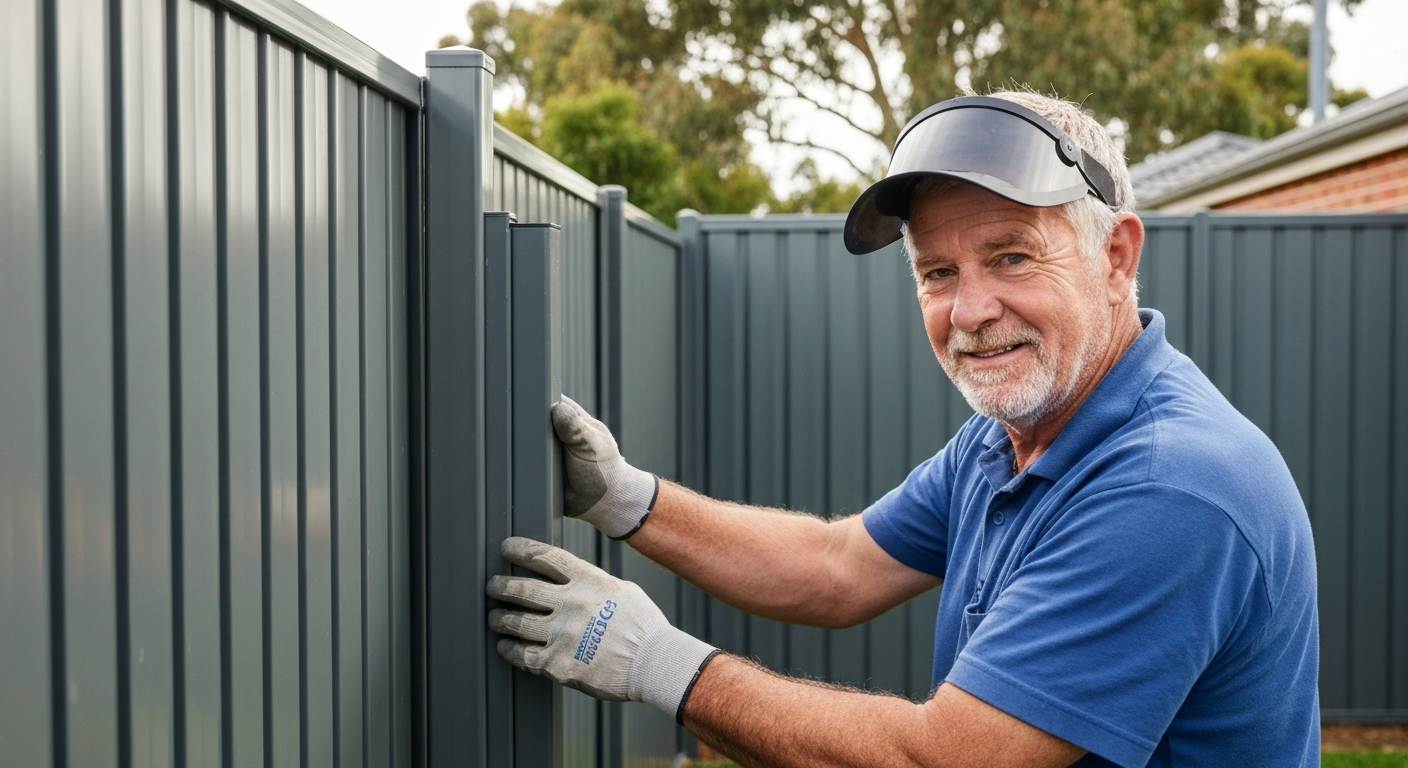
For concrete messages themselves, the concern comes to be less regarding rot and more concerning making sure the base and installment do not produce a weak point. Concrete blog posts are heavy, however heavy does not automatically mean rigid if the anchorage is poor or if the surrounding concrete is riddled with voids.
When I'm intending, I don't simply ask "what looks strong." I ask "what falls short first in this setup?" In a great deal of Melbourne yards, the failing is either rot at the base, activity at the soil-concrete interface, or a rail positioning problem triggered by minor message lean.
Concrete foundations: what they do, and what they can not fix
Concrete does 2 important points for a fence post.
First, it offers a rigid anchoring body at the ground level. Second, it spreads out the tons so the dirt does not collapse around the post.
But concrete can not compensate for spaces, inadequate compaction, or an article that wasn't maintained plumb. Concrete likewise does not completely "seal" the setting. Water still gets around and through, specifically if the opening is not prepared well or if there are voids in the mix.
An usual blunder I have actually seen is pouring concrete into an opening that still has loose soil near the bottom and sides, then thinking the concrete alone will "make it strong." It helps, however the soil-concrete bond matters. If the concrete is poured right into an opening that has actually collapsed or is uneven, you can wind up with caught pockets that allow small rotation over time.
Concrete structures also need proper blending. In method, that suggests not over-watering. A careless mix can look liquid and very easy to area, however it can lower toughness and durability. The very best looking put is not the very best doing pour if it's watery.
Digging the openings: depth, diameter, and the "foundation shape" problem
The deepness and size are where people either overthink or underthink. Overthink, and you invest cash excavating for no clear advantage. Underthink, and the post gradually shifts after heavy rain and wind loads.
In Melbourne, a common beginning factor for several typical domestic fence blog post footings is something like 600 to 900 mm deep for greater loads or less secure soils, while smaller fences on stronger ground might go shallower. The specific figure depends heavily on site problems, fence height, and post spacing. I'm deliberately not providing one magic number, due to the fact that the soil and wind lots drive the decision.
Diameter matters also. An opening that is too small can raise the possibility of voids and lower resistance to movement. A hole that's also large can be more difficult to keep consistent and can set you back even more concrete. The objective is a solid concrete collar that secures the message without developing unnecessary bulk.
There's likewise the concern of base preparation. If the bottom of the hole is soft or sandy and maintains moving when you dig, you require to deal with that. If you hit a layer that is stable, you still need to make sure the concrete is put so it in fact get in touches with that steady layer.
In a wet backyard, I usually see crews dig and right away fill up without accountancy for water. If water pools at the bottom while you're establishing the blog post, it can weaken mix near the base. That does not indicate you have to await the skies to clear, however it does indicate you prepare for how you'll manage water in the hole.
Setting the blog post: plumb, right, and held in place
If you obtain something right, obtain this right. Many fence failures are not due to the fact that the concrete "had not been solid enough." They happen since the post was enabled to move throughout setting.
When I establish messages, I deal with plumb and alignment like they're the only job, since they are. You can have proper deepness and good concrete, and still end up with a fence that leans if the blog post shifts before the concrete grabs.
Practically, that indicates:
- Using a correct brace or short-term support to hold the post in position
- Checking plumb at greater than one point along the post height
- Keeping the string line tight so you don't "chase after" alignment later
- Ensuring the message isn't turned when the brackets are tightened
One of the most convenient ways to develop lasting trouble is to set a post a little misaligned and then require rails right into positioning. The rails bend, the brackets bind, and the fencing looks alright for a while. After that, after the initial hefty climate cycle, the blog post relocates slightly and the fence opens where the tension built.
If you're collaborating with entrances, the risks go up. Gate blog posts see various loads than line articles, and they have to be set properly due to the fact that hardware positioning resistance is limited. An entrance that's out by also a percentage can create a load course that works against the fencing frame.
Concrete placement: avoiding spaces and keeping the article stable
Once the message is positioned, the concrete stage is not a laid-back pour. The positioning method affects how the concrete clears up around the post.
An excellent pour does not leave gaps next to the post or pockets at the sides. It also does not clean away the dirt around the blog post to make sure that the concrete wind up thinner than intended.
In the real world, the strategy differs depending on opening size and accessibility. Yet the principles remain regular: place concrete so it surrounds the blog post completely, prevent set apart mix, and keep examining placement while the concrete is still workable.
If you've ever enjoyed an article "creep" as concrete is added, you recognize what I suggest. The weight and moving pressure can relocate. That's why I like to support, include concrete in regulated amounts, and re-check plumb frequently throughout the put process.
Finishing the top: drain and the form of the crown
After setting, the top of the concrete need to be formed to lose water far from the blog post. Flat tops can hold water around hardwood bases and increase rot threats where subjected. With steel messages, water pooling still promotes deterioration at joints and equipment points.
A straightforward ending up strategy that encourages water drainage makes a recognizable difference over years, not weeks. It's not extravagant, however it's one of those jobs that divides "a fence that lasts" from "a fencing that needs work."
If you're putting around a post that sits above quality, the revealed base area is where you wish to reduce standing water. A mild incline or crown aids. I've seen several fencings weaken much faster where the concrete top was left unpleasant and flat, producing a tiny tank right where the message wants to stay wet.
Common Melbourne risks (and exactly how to prevent them)
The very same concerns turn up throughout various suburbs, also when the fencing products vary. The details differ, but the causes do not.
The most significant culprits are motion throughout treatment, inadequate soil preparation, and assumptions concerning uniform ground. After that there's the "looks fine" catch, where the fencing line is right on day one but not after thermal changes, dirt wetness cycles, and wind loading.
Here are a few risks I try to quit early, because when you're handling a leaning article it's tougher and more pricey to repair than to do it properly the very first time.
Practical installment checks that conserve rework
If you desire a fast peace of mind established prior to you dedicate to the put and backfill, focus on a couple of fundamentals. This is a brief checklist I emotionally run through each time I'm monitoring a blog post setup:
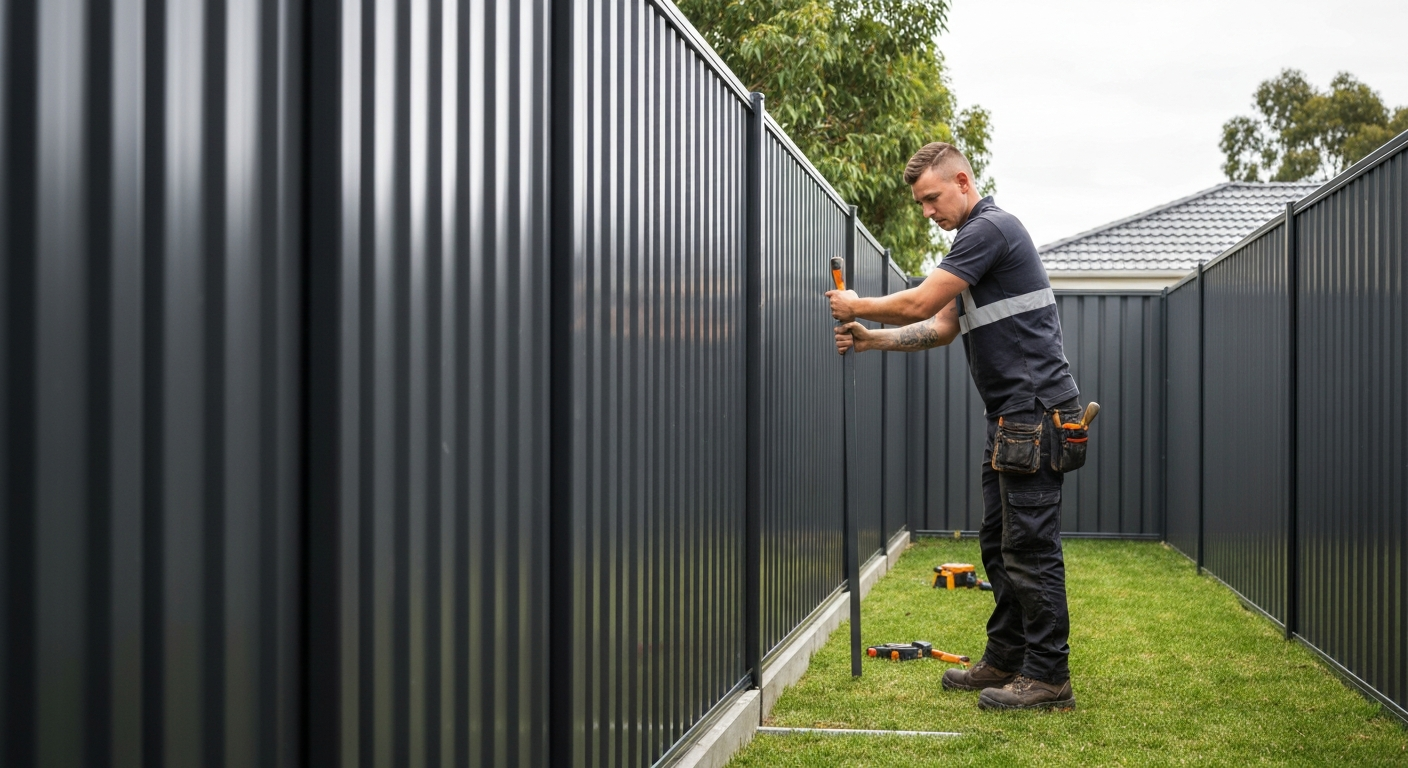
- Confirm message deepness matches the website problems, not simply a typical guess
- Verify plumb and placement prior to any concrete is totally placed
- Keep the mix consistent and prevent excessively wet concrete
- Make sure concrete fully borders the blog post base without voids
- Shape the top of the concrete to urge drainage
That's it. Whatever else is information, but these checks protect against the traditional problems.
Soil enters Melbourne: when your ground method changes
Melbourne soils can vary from reasonably stable clays to blends that drain inadequately. In wet problems, you obtain even more development and tightening results, and the dirt can lose toughness briefly after hefty rain.
If you understand your lawn has clay that holds water, deal with the structure as a system that should stand up to movement throughout wetness cycles. That frequently indicates using a deeper footing, an extra durable anchoring method, or tighter attention to hole prep work and drainage.
If you remain in a much more sandy or gravelly location, the hole can remain secure but may drain pipes quickly. That sounds excellent, yet it can increase the possibility of the concrete shedding workability quicker, and the sides can shed soil into the mix. You still need to keep an eye on gaps and contact.
On sloped blocks, dirt actions adjustments over short distances. A blog post near the top of an incline may have different side pressure than one closer to the base. That influences just how the post wishes to relocate under wind lots. If you brace and align like every article is on flat ground, you may inadvertently leave the fencing vulnerable at the most packed spots.
Wind tons, spacing, and why concrete alone is not enough
A fence is greater than blog posts and concrete. It's a framework that moves tons. Wind presses on the infill, the rails stand up to that push, and the post structures secure the entire assembly.
If the fence has wide spans between blog posts, each post sees a larger flexing and rotational pressure. The concrete can stand up to that to a point, yet if the structure is enabled to flex excessive, the message will slowly move in the dirt. You typically see this after storms, particularly when the fencing runs are long and exposed.
This is where the secure fencing style selections issue. People occasionally mount "strong" articles with huge concrete bases yet still place them also far apart for the fencing elevation and infill kind. Or they underbuild supporting at corners.
When I'm encouraging, I'll ask about panel and rail spacing, the fencing elevation, and whether the run consists of corners or entrances. Those are the lots concentrators. Line blog posts really feel much less dramatic, yet they still react to the forces developed by the entire run.
Gates and edges: the blog posts that have to be established like anchors
Corner articles and gate posts do greater than hold a line. They stand up to pull and press from 2 directions, and they frequently lug much heavier equipment. If you're doing your fencing installment on your own or picking a fencing business, treat these posts as structural anchor points.
For gate locations, the blog post must be placed for equipment placement, and it must stand up to side movement. The concrete foundation needs to lock in not just upright security yet likewise resistance to twisting. If you allow a gateway article to move even somewhat, you'll feel it quickly when the gate is utilized, not in a couple of years.
Corners likewise should have cautious bracing and positioning. A corner blog post that's also slightly off plumb can create misalignment throughout the next fence run. Then you include the wind load and it comes to be a slow-motion battle.
Weather and treating: don't rush the job
Melbourne climate can swing promptly. Rainfall is the evident element, however so is wind and temperature. When you're establishing posts, you want problems that allow concrete treatment properly.
Over the years, I've seen two kinds of hurried job. One is rushing the put while conditions are damp and the hole teems with water. The various other is rushing after putting, where teams go on, pack the structure too soon, or disturb the alignment while the concrete is still changing.
Concrete remedy times depend upon mix layout and problems, but as a rule you should stay clear of putting lateral load on newly established articles. If you brace and leave it alone, you get better long-term stability.
If you're collaborating a setup schedule, think in regards to build sequence, not simply "day one and day 2." A fence can look finished promptly, yet the messages could still be clearing up. That matters when you connect panels securely and start closing gates appropriate away.
Maintenance after installation: what to enjoy for
Even with good installment, fences are revealed properties. The objective is not to neglect them, it's to catch motion early.
Timber posts can show wear at the base location and along subjected rails. Steel messages can show rust where finishes are damaged or where water accumulates at junctions. Gate equipment can loosen up, specifically if there's any motion in the post.
Over time, you'll observe tiny changes: a lock that starts requiring added stress, a rail that looks a little countered, or a fence line that seems partially a lot more uneven after repeated storms. Those are very early warnings.
I do not suggest consistent determining with a spirit level each week, but I do recommend a regular check after major weather condition events, especially if the fence remains in a revealed placement or if you have actually lately mounted it.
How to choose fence companies Melbourne for the best message and structure approach
If you're employing Fence companies Melbourne, do not only request a cost. Ask concerns that expose just how they deal with dirt, just how they set blog posts, and how they take care of alignment.
You're trying to find proof of judgment, not simply a typical process. A great installer will certainly speak about website conditions, how they determine footing deepness, and just how they maintain messages plumb while concrete is placed.
You can likewise ask just how they take care of different situations, like rocky ground, water in the red, sloping blocks, and gate equipment positioning. Installers that have done this work in the past will certainly have clear, useful answers. They might not give you precise depths without seeing your site, and that's normal.
Here's a portable collection of questions I've located fence contractors useful. It's short enough to ask on a quote browse through, yet details sufficient to divide "sales talk" from actual experience:
- How do you establish message footing depth for my dirt and fence height?
- What mix and placement technique do you make use of to prevent gaps and maintain messages plumb?
- How do you end up the top of concrete for drainage?
- How do you support messages during remedy, especially for gates and corners?
- What's your technique if you strike water or unpredictable ground during digging?
If the answers sound unclear, or if the procedure relies on a one-size-fits-all deepness, that's a threat signal.
Putting everything together: a Melbourne-ready foundation mindset
Post installation and concrete structures are where a lot of fence long life is won or shed. You can have good products and still wind up with a fencing that changes if the messages were not supported appropriately, if concrete was poured without appropriate call, or if the base was chosen despite dirt and wind loads.
A strong fencing setup is intentional. It begins with examining the ground. It proceeds with self-displined hole prep and precise article setting. It do with mindful concrete positioning, a reasonable water drainage top, and adequate time for cure prior to loading.
In Melbourne, that approach translates to less callbacks and less aggravation. The first time you shut your gate without it catching, and the first storm rolls through no additional leaning later, you'll feel the difference that strong structures make.
If you're planning a fence currently, take your time on the details that really feel unglamorous. The concrete pour is not the end, it's the start of the fencing's architectural life. Obtain it right, et cetera of the construct becomes straightforward.